
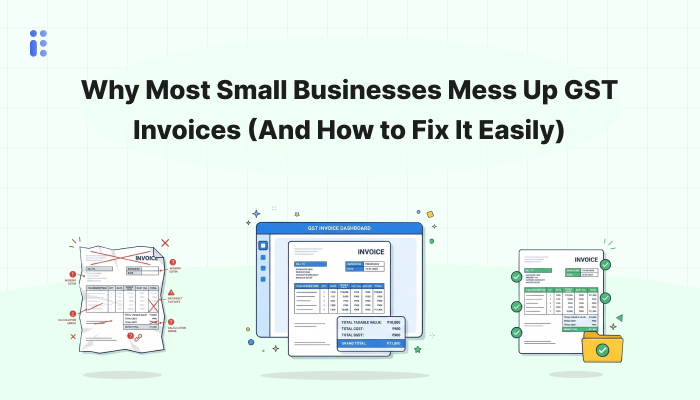
GST invoicing looks simple - until it isn’t. Most small businesses assume generating an invoice is just about adding GST to a total and sending it across. But GST rules are precise. And even small errors can create problems during filing, ITC claims, or audits.
The issue isn’t negligence. It’s structure. When invoices are created manually in Word, Excel, or outdated templates, mistakes are almost inevitable. Let’s look at where businesses usually go wrong and how to fix it properly.
One wrong digit in a GSTIN can cause mismatches in GSTR filings. If your client’s GSTIN is incorrect, their Input Tax Credit can get blocked - and you’ll be the first person they call.
Fix: Always validate GSTINs before invoicing. A proper invoicing tool stores client details correctly and eliminates repeated manual typing.
Inter-state and intra-state supplies are treated differently under GST. If you’re billing a client in another state but charging CGST/SGST instead of IGST, you’re technically raising a non-compliant invoice. This mistake is more common than people think - especially when billing clients remotely. Fix: Use a system that automatically determines the correct tax structure based on place of supply.
GST requires invoices to be sequential and unique. If you skip numbers, duplicate them, or manually reset them, it raises compliance red flags. During audits, this becomes difficult to explain.
Fix: Let your software auto-generate sequential invoice numbers without gaps.
A proper GST invoice must include:
If you're using a template downloaded years ago, chances are that often dont include all updated requirements. To fix this - Switch to GST-ready formats that stay updated with compliance standards.
"Consulting charges" isn’t always enough. Ambiguous descriptions can cause issues in scrutiny or ITC claims for your client. Being specific protects both sides.
Most GST invoicing mistakes don’t happen because businesses are careless. They happen because manual systems aren’t designed for compliance.
With Billite, GST-compliant fields, tax splits, and sequencing are built into the system.
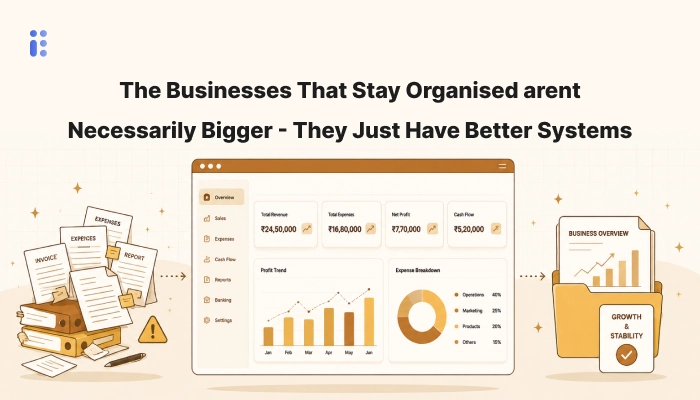
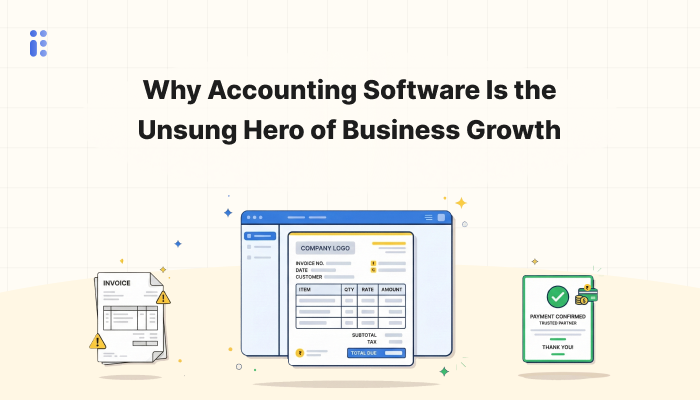
Discover how accounting software helps businesses improve cash flow, reduce errors, simplify GST compliance, and scale e...
Read More